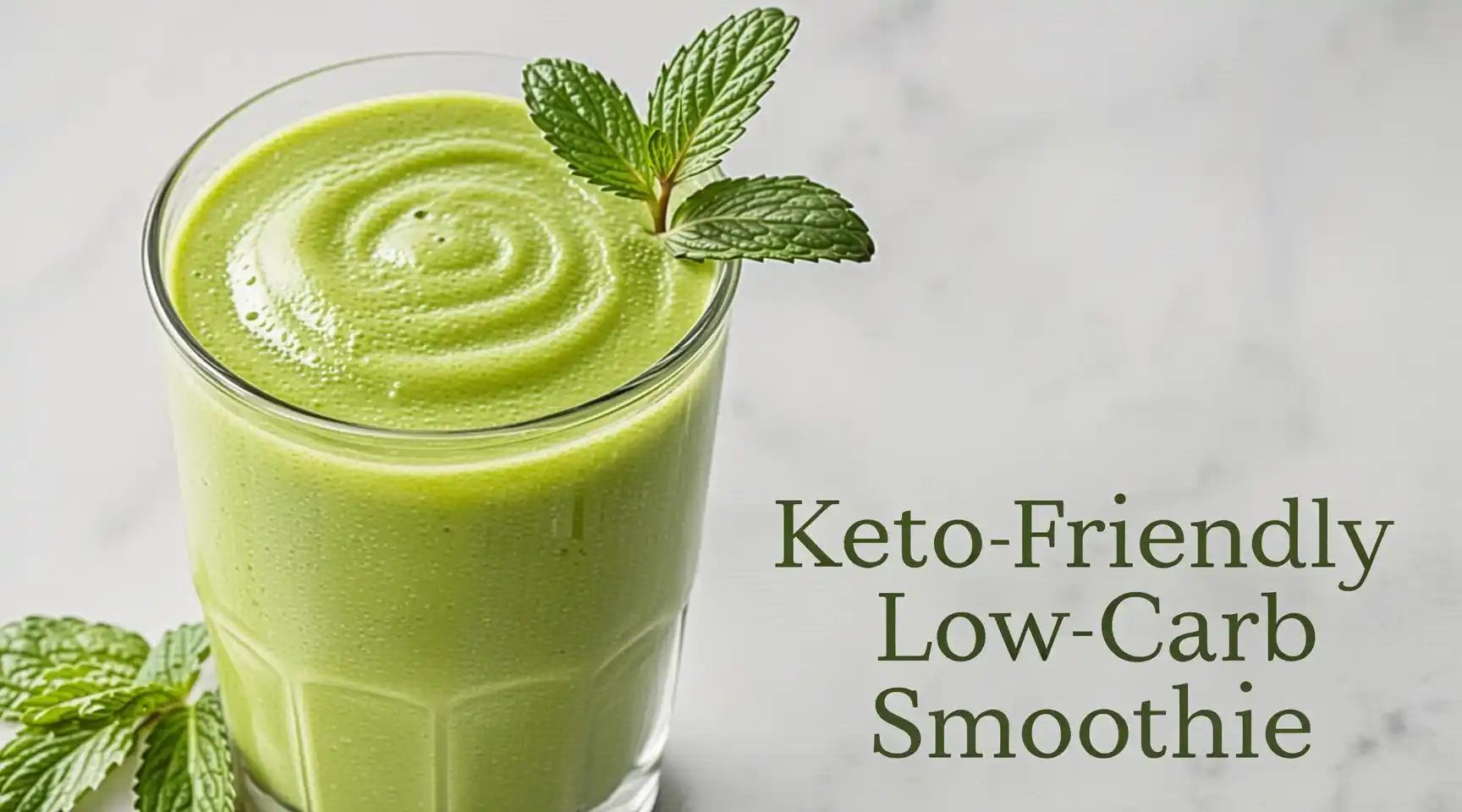
The Ultimate Keto‑Friendly Low‑Carb Smoothie: A Creamy, Nutrient‑Dense Breakfast That Keeps You in Ketosis
Meta Description: Discover a delicious keto‑friendly low‑carb smoothie packed with healthy fats, fiber, and flavor. Perfect for a sugar‑free, nutrient‑dense breakfast that fuels your ketogenic diet.
Introduction: Why a Keto‑Friendly Smoothie Belongs in Your Morning Routine
If you’ve been following a ketogenic diet for any length of time, you know that breakfast can be a bit of a puzzle. Traditional cereals, muffins, and even many “healthy” smoothies are loaded with hidden sugars and carbs that can knock you out of ketosis within minutes. That’s why a keto smoothie—a low‑carb, high‑fat beverage—can become your secret weapon.
A well‑crafted low‑carb breakfast not only satisfies a morning craving for something creamy and sweet but also delivers the steady, glucone‑free energy you need to power through a demanding workday, a tough workout, or a busy family schedule. In this deep‑dive guide, you’ll learn how to build a nutrient‑dense keto‑friendly smoothie from the ground up, explore the science behind each ingredient, and get practical tips for customizing the recipe to fit your taste and nutritional goals.
Quick Takeaway: This smoothie is designed to keep you under 5 g net carbs per serving, while providing ≈ 500 kcal from healthy fats, moderate protein, and fiber—making it an ideal keto breakfast that supports mental clarity, satiety, and stable blood sugar.
Table of Contents
- The Science of a Keto‑Friendly Smoothie
- Core Ingredients & Their Benefits
- 2.1. Low‑Carb Liquid Base
- 2.2. Healthy Fats & MCT Oil
- 2.3. Low‑Carb Sweeteners
- 2.4. Fiber Boosters
- 2.5. Protein Power
- 2.6. Flavor Enhancers & Superfoods
- Step‑by‑Step Recipe: Classic Avocado‑Coconut Keto Smoothie
- Variations for Every Palate
- Meal‑Prep & Storage Tips
- Common Mistakes & How to Avoid Them
- Frequently Asked Questions (FAQs)
- Conclusion & Next Steps
- Disclaimer
- The Science of a Keto‑Friendly Smoothie
1.1. Net Carbs vs. Total Carbs
When counting carbs on a ketogenic diet, the metric that truly matters is net carbs—the total carbohydrate content minus fiber and sugar alcohols (if you tolerate them). Fiber isn’t digested into glucose, so it doesn’t raise blood sugar. The goal is to stay under the individual’s daily net‑carb target (commonly 20‑30 g for most adults).
1.2. Why Fats Matter
A keto diet relies on healthy fats to become the primary fuel source. In the absence of sufficient glucose, the liver converts fatty acids into ketone bodies (beta‑hydroxybutyrate, acetoacetate, and acetone). These ketones can cross the blood‑brain barrier, providing a clean, efficient energy source for the brain and muscles.
Adding medium‑chain triglycerides (MCT oil) accelerates ketone production because MCTs are snapped up by the liver and turned into ketones within minutes—making them an excellent ingredient for a morning smoothie.
1.3. Protein and Satiety
While the keto diet is high‑fat, an adequate amount of protein (≈ 0.8‑1 g per pound of lean body mass) is vital for preserving muscle mass, especially during weight‑loss phases. A well‑balanced keto smoothie includes 15‑25 g of high‑quality protein, which also contributes to satiety, reducing mid‑morning cravings.
1.4. Micronutrients & Antioxidants
A nutrient‑dense smoothie packs vitamins, minerals, and antioxidants that are sometimes lacking in a strict keto regimen (e.g., potassium, magnesium, vitamin C). Including leafy greens, berries (in moderation), and adaptogenic herbs helps close this nutritional gap.
- Core Ingredients & Their Benefits
Below is a breakdown of each component, why it’s essential, and keto‑friendly options you can swap in.
| Category | Ingredient | Typical Amount (per serving) | Keto Benefits |
| Liquid Base | Unsweetened Almond Milk | 1 cup (240 ml) | < 1 g net carbs, creamy texture |
| Coconut Water (light) | ½ cup | Electrolytes (potassium) + low carbs | |
| Plain Greek Yogurt (full‑fat) | ¼ cup | Protein + probiotics | |
| Healthy Fats | Avocado | ½ medium | Monounsaturated fats, fiber |
| MCT Oil | 1 tbsp | Rapid ketone production | |
| Coconut Oil | 1 tbsp | Saturated fats, medium‑chain | |
| Low‑Carb Sweeteners | Erythritol | 1‑2 tsp | Zero net carbs, crystal-like |
| Monk Fruit Blend | ½ tsp | Non‑caloric, natural | |
| Fiber Boosters | Chia Seeds | 1 tbsp | Soluble fiber, omega‑3 |
| Psyllium Husk | ½ tbsp | Insoluble fiber, thickening | |
| Protein | Whey Isolate (unflavored) | 1 scoop (≈ 25 g) | High‑bioavailability |
| Collagen Peptides | 1 scoop | Joint & skin health | |
| Flavor & Superfoods | Unsweetened Cocoa Powder | 1 tbsp | Antioxidants, deep flavor |
| Frozen Berries (raspberries, blackberries) | ¼ cup | < 2 g net carbs, micronutrients | |
| Maca Powder | 1 tsp | Adaptogen, hormone balance | |
| Cinnamon | Pinch | Blood‑sugar regulation | |
| Vanilla Extract | ½ tsp | Aromatic, no carbs |
Pro tip: Always check the label for “total carbs” and “dietary fiber” to calculate net carbs accurately.
- Step‑by‑Step Recipe: Classic Avocado‑Coconut Keto Smoothie
3.1. Nutrition Snapshot (Approx.)
| Nutrient | Amount |
| Calories | 512 kcal |
| Net Carbs | 4.2 g |
| Total Fat | 38 g |
| Saturated Fat | 12 g |
| Monounsaturated Fat | 17 g |
| Polyunsaturated Fat | 3 g |
| Protein | 22 g |
| Fiber | 7 g |
| Sodium | 150 mg |
| Potassium | 620 mg |
3.2. Ingredients
| Ingredient | Amount |
| Unsweetened almond milk | 1 cup (240 ml) |
| Ripe avocado (halved, pitted) | ½ medium |
| Full‑fat coconut milk (canned) | ¼ cup |
| MCT oil | 1 tbsp |
| Whey isolate (vanilla or unflavored) | 1 scoop (≈ 25 g) |
| Erythritol (or monk fruit blend) | 1 tsp |
| Chia seeds | 1 tbsp |
| Frozen unsweetened raspberries | ¼ cup |
| Unsweetened cocoa powder | 1 tbsp |
| Ground cinnamon | pinch |
| Ice cubes (optional) | ½ cup |
| Vanilla extract | ½ tsp (optional) |
3.3. Equipment
- High‑speed blender (minimum 500 W)
- Measuring spoons & cups
- Airtight glass jar for storage (if prepping ahead)
3.4. Instructions
- Prep the Base: Add the almond milk and coconut milk to the blender. This liquid combination gives a rich mouthfeel while staying low‑carb.
- Add the Fat Sources: Drop in the avocado, MCT oil, and chia seeds. The avocado provides a creamy texture; MCT oil boosts ketone output; chia seeds thicken the drink and add omega‑3s.
- Protein Power: Scoop in the whey isolate. If you prefer a dairy‑free protein, substitute with pea protein isolate or collagen peptides (note: collagen lacks essential amino acids needed for complete protein).
- Sweeten Strategically: Sprinkle erythritol or your chosen low‑carb sweetener. Taste and adjust if you need more sweetness.
- Flavor Boosters: Toss in cocoa powder, cinnamon, vanilla extract, and the frozen raspberries. The raspberries add a subtle tang and keep the net carbs low (they’re the most carb‑light berries).
- Blend Until Silky: Start the blender on low, gradually increase to high, and blend for 30‑45 seconds or until the mixture is completely smooth. If the smoothie is too thick, add a splash of almond milk. If you like it colder, blend in the ice cubes last.
- Serve Immediately: Pour into a tall glass and enjoy! For an Instagram‑worthy finish, sprinkle a few chia seeds or a dusting of cacao nibs on top.
3.5. Customization Tips
| Goal | Adjustment | Reason |
| Higher Fat | Add 1 tbsp extra coconut oil or ½ avocado | Supports deeper ketosis |
| More Fiber | Increase chia to 2 tbsp or add 1 tbsp psyllium husk | Improves digestive health |
| Vegan | Replace whey isolate with pea protein or unflavored plant protein | Keeps it dairy‑free |
| Chocolate Lover | Double cocoa powder, add a dash of espresso powder | Intensifies chocolate flavor |
| Tropical Twist | Swap raspberries for frozen mango chunks (watch carbs) | Adds tropical aroma |
- Variations for Every Palate
4.1. Berry‑Burst Keto Smoothie
- Base: Unsweetened almond milk (1 cup)
- Fat: 1 tbsp almond butter + ½ avocado
- Protein: 1 scoop whey isolate (vanilla)
- Low‑Carb Sweetener: 1 tsp monk fruit blend
- Fiber: 1 tbsp ground flaxseed
- Berries: ¼ cup frozen blueberries + ¼ cup frozen strawberries (net carbs ≈ 4 g)
4.2. Green Machine Keto Smoothie
- Base: Coconut water (light) – ¾ cup + ¼ cup water
- Fat: 1 tbsp MCT oil + 2 tbsp full‑fat Greek yogurt
- Protein: 1 scoop collagen peptides (no flavor)
- Greens: 1 cup baby spinach + ¼ cup kale (tightly packed)
- Low‑Carb Sweetener: ½ tsp erythritol
- Extras: 1 tbsp unsweetened almond butter, pinch of sea salt
4.3. Coffee‑Kick Keto Latte Smoothie
- Base: ¾ cup cold brew coffee + ¼ cup unsweetened almond milk
- Fat: 1 tbsp coconut oil + ½ avocado
- Protein: 1 scoop whey isolate (unflavored)
- Sweetener: 1 tsp erythritol + dash of cinnamon
- Thickener: 1 tbsp heavy cream (optional)
Each variation stays under 6 g net carbs per serving, delivering ≈ 500 kcal of clean energy.
- Meal‑Prep & Storage Tips
- Batch‑Prep the Dry Mix: Combine protein powder, low‑carb sweetener, chia seeds, cocoa powder, and any spices in a small zip‑lock bag. Store in the pantry for up to 30 days.
- Pre‑Portion the Fat Sources: Divide avocado, MCT oil, and coconut milk into individual freezer‑safe containers. Frozen avocado chunks blend just as smoothly as fresh.
- Freeze the Fruit: Keep a bag of frozen berries ready in the freezer. They act as a natural ice pack, so you don’t need extra ice cubes.
- Re‑Blend Before Drinking: When using pre‑made smoothies that have sat for a few hours, give the jar a good shake, then pour into the blender for a quick 10‑second pulse to restore smooth texture.
- Shelf Life: Freshly blended smoothies are best within 4 hours when kept refrigerated. If you store in an airtight jar, give it a gentle stir before drinking to redistribute settled ingredients.
- Common Mistakes & How to Avoid Them
| Mistake | Why It Hurts | Fix |
| Using Sweetened Nut Milks | Adds hidden sugars, quickly spikes net carbs | Always choose “unsweetened” varieties. |
| Over‑loading on Fruit | Even low‑carb berries can add up, pushing you over the keto limit | Stick to ≤ ¼ cup per serving. |
| Skipping Fiber | Low satiety, possible constipation on keto | Include chia, flax, or psyllium. |
| Neglecting Electrolytes | Keto diuresis leads to loss of sodium, potassium, magnesium | Add a pinch of sea salt, or a splash of electrolyte‑rich coconut water. |
| Using Low‑Quality Protein Powders | Fillers, sugar alcohols, excess carbs | Opt for isolates (whey, pea, soy) with < 2 g carbs per scoop. |
| Blending Too Hot | Heat can denature protein, changing texture | Blend with chilled liquids and ice for a refreshing finish. |
- Frequently Asked Questions (FAQs)
Q1. Can I use regular milk instead of almond milk?
A: Technically, yes, but whole cow’s milk contains ~12 g carbs per cup, which would exceed a low‑carb target. If you must, use a “milk‑alternative” like unsweetened soy or macadamia milk (both ≤ 2 g net carbs).
Q2. How much MCT oil should I start with?
A: Beginners often experience digestive upset with more than 1 tbsp. Start with ½ tsp mixed into a small smoothie, then gradually work up to 1 tbsp as tolerated.
Q3. Is it okay to drink a keto smoothie every day?
A: Absolutely, as long as the overall daily macros stay within your personal targets and you’re getting a variety of nutrients from other meals. Rotating greens, protein sources, and fats keeps the diet balanced.
Q4. Can I make this smoothie vegan?
A: Yes! Replace whey isolate with pea or rice protein, swap coconut milk for full‑fat coconut cream, and use a plant‑based protein powder with a complete amino‑acid profile.
Q5. Does the smoothie still count as a “breakfast” if I’m intermittent fasting?
A: If you’re in a fasting window, the smoothie would break the fast. However, many people adopt a 16:8 schedule where the first meal (often this smoothie) is consumed at the start of the eating window.
- Conclusion & Next Steps
A keto‑friendly low‑carb smoothie is more than a tasty breakfast—it’s a strategic tool that fuels your body with healthy fats, sustains mental clarity, and keeps you firmly in ketosis. By mastering the core ingredients, understanding the science behind net carbs and ketone production, and personalizing the recipe to meet your flavor preferences, you set yourself up for long‑term success on the ketogenic pathway.
Give the Classic Avocado‑Coconut Keto Smoothie a try tomorrow morning. Take a picture, tag it with the hashtags below, and let the community celebrate your #KetoSmoothie triumph!
Ready to dive deeper?
- Subscribe to our newsletter for weekly keto recipes, meal‑plan guides, and science‑backed tips.
- Download our free “Keto Smoothie Cheat Sheet” PDF, featuring macro charts, ingredient swaps, and a shopping list.
- Join the conversation on Instagram and TikTok – we post short videos that walk you through each recipe step‑by‑step.
Stay #LowCarbLife, stay fueled, and enjoy every creamy sip!
Disclaimer
The information provided in this blog post is for educational purposes only and does not constitute medical, nutritional, or professional advice. Always consult a qualified healthcare provider or registered dietitian before making any significant changes to your diet, especially if you have underlying health conditions, are pregnant, nursing, or taking medication. Individual results may vary, and the author is not responsible for any adverse effects that may arise from following the recipes or recommendations herein.
Keywords Used
- keto smoothie
- low-carb breakfast
- ketogenic diet
- healthy fats
- sugar-free
- nutrient-dense
Hashtags
#KetoSmoothie #LowCarbLife #KetoBreakfast #HealthyFats #SugarFree #NutrientDense
Have any thoughts?
Share your reaction or leave a quick response — we’d love to hear what you think!
-
 0
0
-
 0
0
-
 0
0
-
 0
0
-
 0
0
-
 0
0