Disclaimer
The following content is for informational and educational purposes only and does not constitute medical advice, diagnosis, or treatment. The views and opinions expressed in this article regarding specific food products and dietary choices are based on general nutritional consensus and expert interpretation, but they should not be taken as a substitute for professional medical advice. Always seek the advice of your physician, registered dietitian, or another qualified health provider with any questions you may have regarding a medical condition or diet. Never disregard professional medical advice or delay in seeking it because of something you have read in this article. Individual dietary needs vary, and what works for one person may not work for another. Weight loss results depend on a variety of factors including genetics, lifestyle, and overall caloric intake.
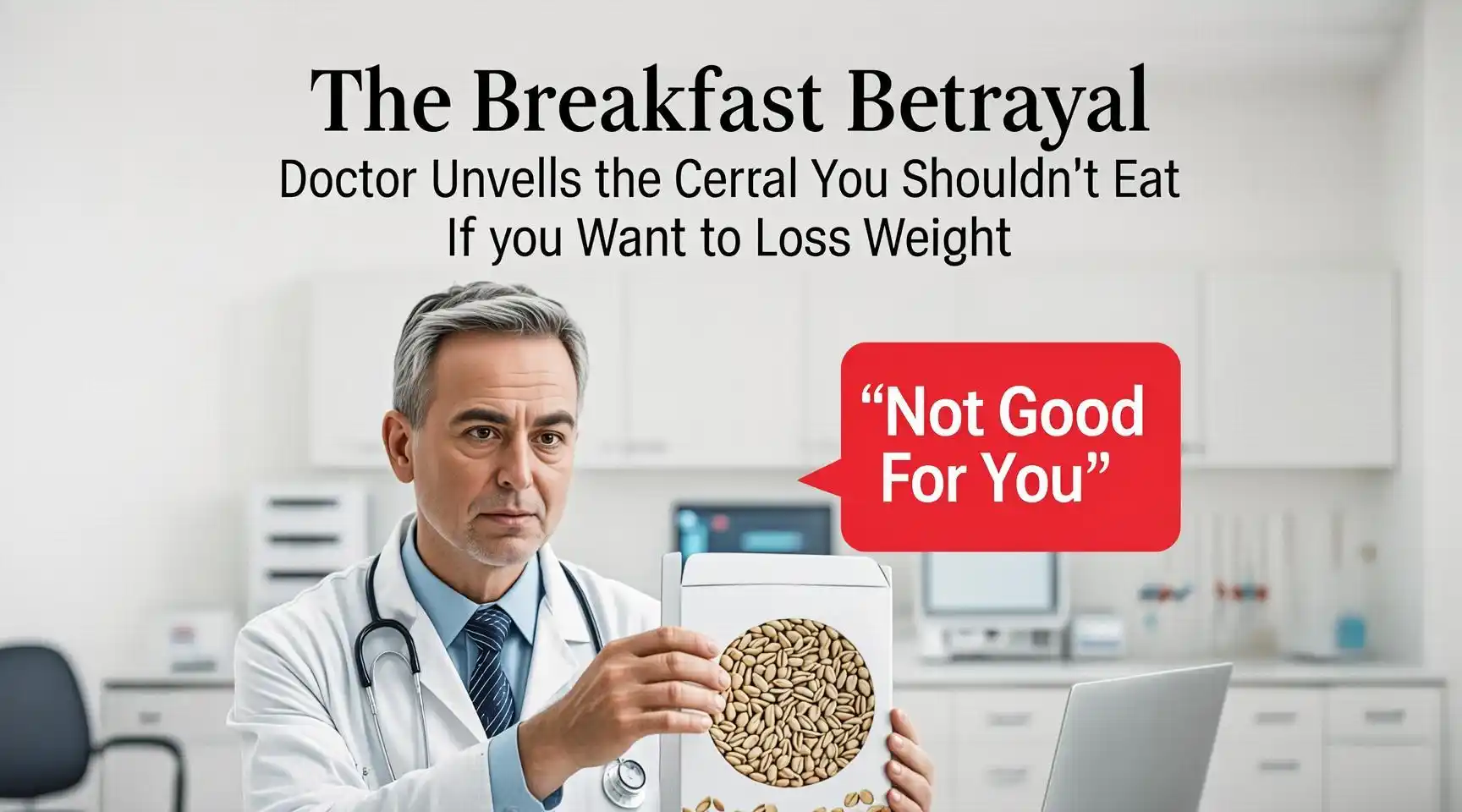
The Breakfast Betrayal: Doctor Unveils the Cereal You Shouldn’t Eat If You Want to Lose Weight – ‘Not Good for You’
Introduction: The Morning Ritual That’s Sabotaging Your Goals
For decades, the breakfast cereal aisle has stood as a monument to convenience and, allegedly, health. It is the cornerstone of the modern American morning, a quick fix for the rushed parent, and a staple for the busy professional. We have been bombarded with colorful marketing, animated mascots, and health claims splashed across cardboard boxes promising “whole grain goodness,” “heart health,” and “sustained energy.” However, a growing number of medical professionals and nutritionists are stepping forward to pull back the curtain on a pervasive dietary myth. The stark reality, according to experts, is that many of the cereals we trust to start our day are precisely the reason we are struggling to lose weight.
Recently, a doctor unveiled a specific category of cereal that is particularly detrimental to weight loss efforts, labeling it bluntly: “Not good for you.” This revelation is not merely about empty calories; it is about the complex physiological reactions these foods trigger in our bodies—reactions that set us up for failure before the workday has even begun. This article delves deep into the science of breakfast cereals, analyzes the specific culprits, explains the metabolic mechanisms at play, and provides a comprehensive guide on how to navigate the grocery store aisle to protect your waistline and your health.
The Culprit Unveiled: The “Sweetened Grain” Trap
While many cereals are unhealthy, the specific type of cereal that doctors are warning against is the sugar-coated, refined grain cereal. This category includes the brightly colored boxes that appeal to children, as well as the seemingly “healthy” granolas and clusters that are laden with added sweeteners. These are the cereals that are essentially desserts in disguise.
When a doctor says a cereal is “not good for you” in the context of weight loss, they are referring to the glycemic impact of the food. These cereals are typically made from highly processed flour (white flour) that has been stripped of its fiber and nutrients. To make them palatable, manufacturers add high amounts of refined sugar, high-fructose corn syrup, or honey.
The specific issue is that these cereals possess a high Glycemic Index (GI). When you consume them, they convert to sugar in your bloodstream almost instantly. This creates a massive spike in blood glucose, which the body must manage by releasing a large dose of insulin. Insulin is a storage hormone; when it is present in high amounts, your body is chemically primed to store fat rather than burn it. By starting your day with this specific type of cereal, you are essentially signaling your metabolism to go into “storage mode” for the rest of the morning.
Chapter 1: The Science of the Blood Sugar Rollercoaster
To understand why this cereal is so bad for weight loss, we must first understand the physiology of blood sugar regulation. The process begins the moment you chew.
The Digestive Firestorm
When you eat a bowl of sugary, refined cereal, the digestion process begins in the mouth with saliva breaking down starches. Because the grain has been pre-processed (puffed, flaked, and shredded), it requires very little mechanical breakdown. It moves rapidly to the stomach and then into the small intestine. Here, the carbohydrates are broken down into glucose molecules.
Because there is little to no fiber to slow down absorption—a component removed during the refining process—this glucose floods the bloodstream. This is the “sugar spike.”
The Insulin Surge
In response to this rapid rise in blood sugar, the pancreas releases insulin. Think of insulin as a key that unlocks the cells to allow glucose to enter and be used for energy. However, when the spike is as high as it is with these cereals, the pancreas often overcompensates, releasing a massive amount of insulin to clear the sugar quickly.
This massive insulin surge does two things detrimental to weight loss:
- Fat Storage Lockdown: Insulin blocks the enzyme lipase, which is responsible for breaking down body fat. While insulin levels are high, you physically cannot burn fat.
- Energy Crash: The insulin clears so much glucose from the blood that your levels drop below baseline. This is known as reactive hypoglycemia, or “the crash.”
The Vicious Cycle of Hunger
The crash is where the diet trap snaps shut. When your blood sugar drops precipitously, your brain sends out emergency signals: “We need energy, and we need it now.” This triggers intense hunger pangs and cravings. Crucially, because of the low blood sugar, your body craves the quickest source of energy available, which is, inevitably, more sugar or simple carbohydrates. This leads to mid-morning snacking—often on donuts, pastries, or more sugary treats—restarting the cycle. By lunchtime, you are likely to be ravenous and prone to overeating. This cycle is the primary driver of weight gain associated with breakfast cereal.
Chapter 2: Deconstructing the Ingredients Label
To truly appreciate why these cereals are vilified by medical professionals, we must look past the front of the box and examine the ingredient list.
The Grains: Stripped of Life
Many cereals claim to be “Made with Whole Grains.” While technically true, this is often a marketing sleight of hand. The primary ingredient is usually refined wheat flour or corn meal. The processing involves removing the bran (fiber) and the germ (healthy fats and nutrients), leaving only the endosperm (starch). This product is essentially a powder that turns into a glue-like paste in the gut, spiking blood sugar rapidly. Even if a small amount of whole grain is added back in, the overall ratio of refined carb to fiber is too high for weight loss.
The Sweeteners: By Any Other Name
Manufacturers know that consumers are becoming savvy about “sugar,” so they use a plethora of different names to hide it. When looking at the label for the “cereal you shouldn’t eat,” you will often see a long list of sweeteners. High-fructose corn syrup, dextrose, maltodextrin, barley malt, brown rice syrup, cane juice crystals, and honey are just a few.
The problem is the cumulative effect. Even if each individual sweetener appears lower on the list than the first ingredient, when added together, sugar is often the primary ingredient by weight. Some “healthy” granolas contain more sugar per serving than a glazed donut.
Additives and Preservatives
Beyond sugar and carbs, these cereals often contain a cocktail of additives to maintain crunch and color. Butylated Hydroxytoluene (BHT) is a synthetic antioxidant added to fats to prevent rancidity; some studies have suggested potential carcinogenic effects, though the FDA considers it safe in small amounts. Artificial food dyes (Red 40, Yellow 5, Blue 1) are derived from petroleum and have been linked to hyperactivity in children and allergic reactions in some adults. While not directly “fattening,” these ingredients signal that the product is highly processed and far removed from its natural state.
Chapter 3: The Marketing Mirage
Why do we continue to eat these cereals despite the health warnings? Because the marketing is brilliant. The cereal industry spends billions of dollars to create a “health halo” around products that are essentially junk food.
The “Fortification” Fallacy
One of the most misleading marketing tactics is fortification. Manufacturers strip the grain of its natural nutrients during processing, then spray on a vitamin and mineral premix. They then boldly claim the cereal provides “100% of your daily Vitamin D” or is a “Good Source of Iron.”
While fortification has helped prevent deficiencies in populations (like pellagra and beriberi), relying on a sugary cereal for your micronutrients is a flawed strategy. The synthetic vitamins added to cereal are often not absorbed as efficiently as those found in whole foods. Furthermore, consuming them alongside a massive sugar spike negates many of the potential benefits, as the body is stressed by the insulin response rather than utilizing the nutrients. A doctor would tell you that getting your vitamins from a candy bar with vitamins sprayed on is not a sound health strategy.
The “Heart Healthy” Check
Many cereals display the American Heart Association checkmark or claim to be “Heart Healthy.” This certification usually only limits total fat and saturated fat. It does not effectively limit added sugars. A cereal can be high in sugar and refined carbs and still technically meet the criteria for a heart-healthy stamp if it is low in fat. However, sugar is a major driver of cardiovascular disease, causing inflammation and raising triglycerides. The marketing creates a disconnect between the label and the metabolic reality.
Chapter 4: The Psychological Impact of Breakfast Cereal
There is also a psychological component to why these cereals are bad for weight loss. It involves our relationship with food and reward systems in the brain.
The “Bliss Point”
Food scientists engineer these products to be irresistible. They calculate the “bliss point”—the exact ratio of sugar, salt, and fat that maximizes the pleasure response in the brain. The crunch of the cereal, followed by the sweet milk flavor, is designed to trigger dopamine release. Dopamine is the same neurotransmitter involved in addiction.
By eating this cereal every morning, you are essentially training your brain to crave hyper-palatable, processed foods. This rewires your taste buds, making whole, natural foods like plain oatmeal or eggs taste bland and unappealing by comparison. This psychological dependency makes sticking to a weight-loss diet incredibly difficult.
Portion Distortion
Finally, there is the issue of serving sizes. The nutritional facts panel on a box of cereal is based on a serving size that is often comically small—usually around 30 grams (roughly 3/4 of a cup). Most people pour two or three times that amount into a bowl without realizing it. If a serving has 10 grams of sugar, a typical bowl might have 30 grams. That’s the equivalent of eating a glazed donut for breakfast, every single day.
Chapter 5: Case Studies – When “Healthy” Cereal Isn’t
Let’s look at specific examples of cereals that are often perceived as healthy but are exactly what doctors warn against when it comes to weight loss.
The “Fruit” Cereal
Cereals with “Fruit” in the name often imply healthfulness. However, the fruit pieces are usually just sugary peels treated with preservatives and soaked in sugar solution. The flakes are high-glycemic corn or wheat. The combination creates a cereal that is higher in sugar than a chocolate candy bar.
The “Whole Grain” Puffs
Light, airy puffs seem like a diet food because they are not dense. However, because they are so light, we eat more of them. They are pure carbohydrate with very little fiber or protein to slow digestion. They digest almost as fast as pure glucose, leading to the immediate hunger discussed earlier.
The “Fiber” Cereal
Some cereals tout their high fiber content to mask high sugar. While fiber is good, the source matters. Many of these use isolated fibers like chicory root fiber or cellulose (wood pulp) to boost the numbers on the label rather than fiber from whole grains. Furthermore, if that fiber is paired with 15 grams of sugar, the net benefit for weight loss is minimal.
Chapter 6: The Ripple Effect on Health
While the primary focus here is weight loss, it is important to note that the “cereal you shouldn’t eat” affects overall health in ways that indirectly impact weight.
Inflammation
Chronic high sugar intake leads to systemic inflammation. Inflammation can interfere with leptin signaling. Leptin is the hormone that tells your brain you are full. When you become leptin resistant (similar to insulin resistance), your brain never receives the signal that you have had enough food, leading to overeating.
Gut Health
The highly processed grains and lack of prebiotic fibers in these cereals can negatively alter the gut microbiome. A healthy gut microbiome is essential for regulating weight. Dysbiosis (an imbalance of gut bacteria) has been linked to obesity and difficulty losing weight. A diet high in sugar feeds pathogenic bacteria and yeasts like Candida, further disrupting the gut ecosystem.
Sleep Disruption
High sugar intake, particularly at breakfast, can influence the body’s natural cortisol rhythm. Blood sugar crashes later in the day can stress the body, causing it to release cortisol. Elevated cortisol in the evening can disrupt sleep quality. Poor sleep increases ghrelin (the hunger hormone) and decreases leptin, making weight loss even harder. It is a domino effect that starts with that morning bowl.
Chapter 7: How to Navigate the Aisle – A Doctor’s Advice
If these popular cereals are off the table, what should you eat? Doctors and dietitians recommend a few simple rules for navigating the breakfast aisle.
The 5:1 Rule
Look at the Nutrition Facts label. Find the grams of total carbohydrates and the grams of dietary fiber. Divide the total carbs by the fiber. You want a ratio where the carbs are no more than 5 times the fiber. For example, if a cereal has 15 grams of carbs, it should have at least 3 grams of fiber. If the ratio is higher, the cereal is likely too processed and sugary.
The Sugar Limit
Aim for cereals that contain less than 5 grams of added sugar per serving. Ideally, look for zero added sugar. This eliminates almost all the “fun” cereals and many of the seemingly healthy granolas.
The Ingredient Check
Turn the box over and read the ingredients. The first ingredient should be a whole grain (e.g., whole wheat, whole oats, brown rice). If you see the word “enriched” or “bleached” first, put it back. Also, scan the list for any type of sugar syrup. If you see sugar, honey, molasses, or syrup listed within the top three ingredients, it is a dessert, not a breakfast.
Protein Pairing
Even if you find a lower sugar cereal, it is rarely a complete meal for weight loss. To balance the blood sugar impact, you must add protein and healthy fats. Doctors recommend pairing a moderate portion of cereal with Greek yogurt, a hard-boiled egg, or nuts. This slows down digestion, blunts the insulin spike, and keeps you full until lunch.
Chapter 8: Better Alternatives for Weight Loss
If you are looking to lose weight, breakfast should focus on satiety and blood sugar stability. Here are superior alternatives to the “not good for you” sugary cereals.
- Steel-Cut or Rolled Oats
Oats are a powerhouse of fiber, specifically beta-glucan, which lowers cholesterol and improves insulin sensitivity. However, the type of oat matters. Instant packets are often laden with sugar. Choose steel-cut or old-fashioned rolled oats. Flavor them with cinnamon, berries, and a scoop of protein powder or a tablespoon of nut butter. This provides sustained energy without the crash.
- Eggs
Eggs are perhaps the gold standard for weight loss. They are high in protein and healthy fats and rank incredibly high on the satiety index. Studies have shown that eating eggs for breakfast can lead to significant reductions in calorie intake for the next 24 hours compared to eating a bagel or cereal.
- Greek Yogurt or Cottage Cheese
These are high in casein protein, which digests slowly and keeps you full for hours. Opt for plain, unsweetened varieties to avoid hidden sugars. Add your own fruit for sweetness and control exactly how much sugar you consume.
- Chia Seed Pudding
Chia seeds are packed with fiber, omega-3 fatty acids, and protein. When soaked in almond milk or milk of choice, they expand and create a pudding-like texture. This is a low-glycemic breakfast that stabilizes blood sugar for hours.
- Homemade “Low Carb” Granola
If you crave the crunch of cereal, make your own. Mix nuts, seeds (pumpkin, sunflower, flax), and a small amount of unsweetened coconut flakes. Bake with a tiny amount of melted coconut oil and vanilla extract. This provides the texture of cereal without the refined carbs and sugar, making it a weight-loss-friendly alternative.
Chapter 9: Breaking the Habit
Changing a lifelong habit is difficult. Breakfast cereal is often a comfort food, associated with childhood memories and convenience. Here are strategies to break the addiction.
Gradual Transition
If you currently eat a very sugary cereal, switching to steel-cut oats overnight might feel like a punishment. Start by mixing your current cereal with a lower sugar, high-fiber bran flake. Gradually increase the ratio of the healthy cereal until the sugary one is gone. You can also slowly reduce the amount of sugar you add to oatmeal to let your palate adjust.
Preparation is Key
The biggest barrier to a healthy breakfast is time. We reach for the box of cereal because it takes 30 seconds to pour. Combat this by preparing breakfasts the night before. Overnight oats, pre-cut fruit, or hard-boiled eggs prepared in batches can provide the same convenience as cereal without the health cost.
Mindful Eating
Stop eating in front of the TV or in the car. Sit down at the table and eat without distractions. This allows your brain to register the satiety signals. Often, we finish a bowl of cereal, look down, and realize we didn’t even taste it. Mindful eating increases satisfaction and reduces the urge to overeat.
Conclusion: The Power of the First Meal
The revelation by the doctor regarding the cereal you shouldn’t eat is a wake-up call. It highlights the disconnect between food marketing and biological reality. While the cereal aisle is filled with colorful boxes and health promises, the scientific consensus is clear: starting your day with a high-sugar, refined grain cereal is one of the worst things you can do for your weight loss goals.
These foods trigger a cascade of hormonal reactions—spiking insulin, crashing blood sugar, and increasing hunger—that sabotage your efforts for the entire day. They strip the body of nutrition while loading it with empty calories, leading to inflammation, metabolic dysfunction, and ultimately, weight gain.
Weight loss is not merely about willpower; it is about understanding how your body works and fueling it appropriately. By eliminating the “bad” cereals and replacing them with whole, nutrient-dense foods that prioritize protein, fiber, and healthy fats, you can stabilize your metabolism, curb your cravings, and finally achieve the results you desire.
Breakfast sets the tone for the day. Make it count. Choose food that nourishes you, not food that deceives you. Your body will thank you, not just in how it looks, but in how it feels and functions.
Keywords
- Weight Loss
- Breakfast Cereal
- Low Glycemic Diet
- Insulin Resistance
- Sugar Addiction
- Nutritional Science
TAGS
#WeightLoss #HealthyBreakfast #SugarCrash #NutritionTips #Cereal #DietAdvice
Have any thoughts?
Share your reaction or leave a quick response — we’d love to hear what you think!
-
 0
-
 0
-
 0
-
 0
-
 0
-
 0